Essay 1
Bridges Across Time
A monument, thirty years and the relationships that continue shaping the future.
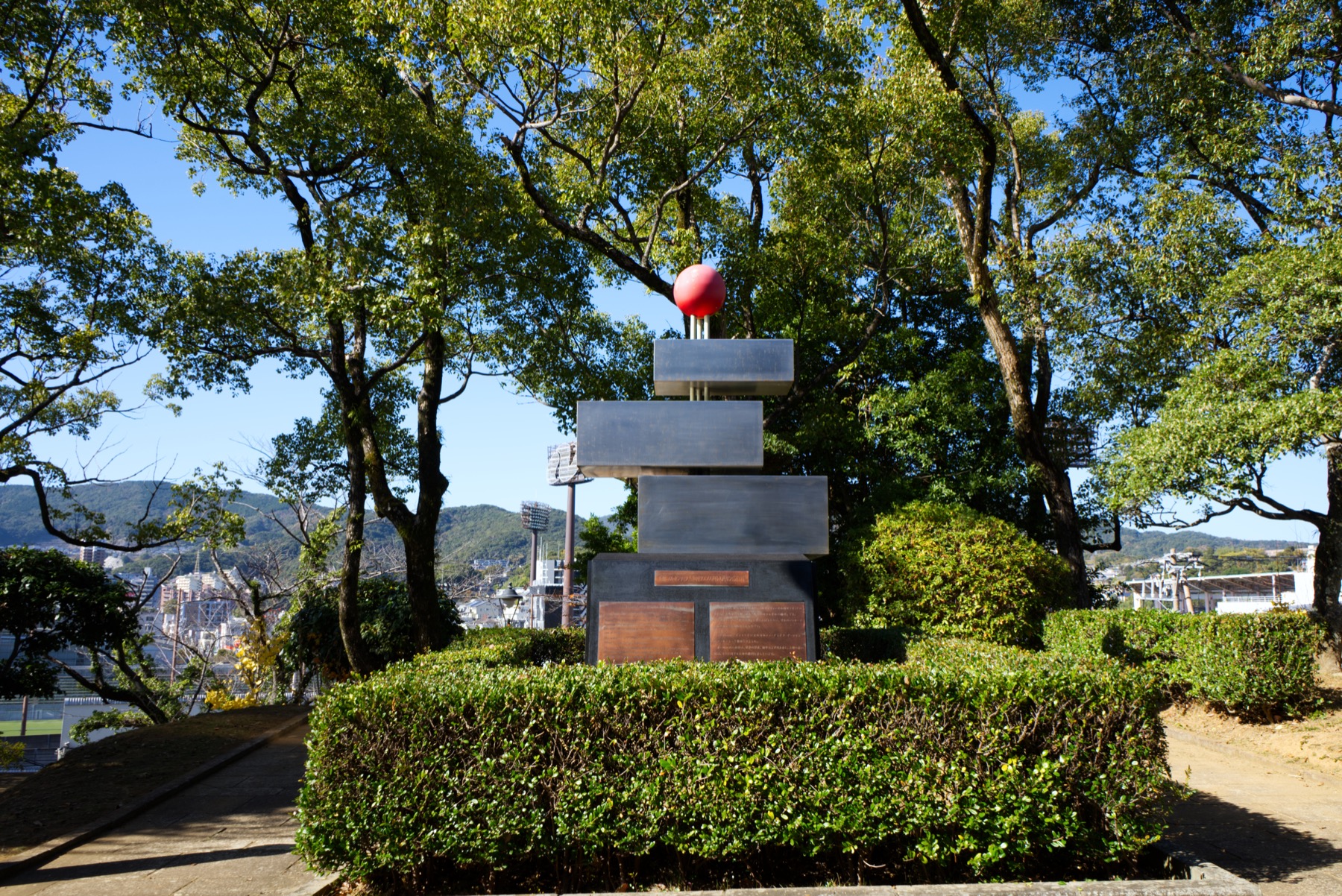
In 1996, Matías Daviron was eighteen years old and still a student in Argentina when he entered an international competition to design a peace monument for the city of Nagasaki. His proposal was chosen. It was installed in the Nagasaki Peace Park, and it remains there today. The project itself is still standing three decades later. The original sketches and process documentation from that year still survive.
Months after the installation, a replica found its way to Argentina, to Colegio Marín, in San Isidro. Daviron's own CV lists that school as where he finished his own secondary education, years before any of this began. The relationship's second chapter landed, by quiet coincidence, back at the place that first shaped him.
Nothing about a monument asks to be revisited. It simply stands, year after year, holding a relationship in place long enough for someone to come back to it.
What a Relationship Does While No One Is Watching
Many institutions think of relationships as things they build and must actively maintain. The Nagasaki monument suggests something else: a relationship can go on generating meaning with no one tending it at all, for thirty years, and still be there, fully intact, when someone finally returns.
Daviron continued building a real career after 1996: more than twenty years as an illustrator and graphic designer, much of it inside exactly the kind of work this monument first pointed toward. His practice includes UNICEF projects across Latin America and the Caribbean on children's rights, climate change and inclusive education; children's books; and visual communication for organizations trying to make complex ideas reach young audiences clearly. His own words describe a throughline: art and visual communication can build bridges between cultures. The monument was the first appearance of a conviction his career has continued to act on.
The Idea Underneath the Story
A relationship's most active period and its most visible period can happen at different times. The years between 1996 and now held steady. They became the relationship's quiet life, accumulating in the person carrying it, waiting for the right moment to become visible again.
For an organization built on the belief that relationships are the infrastructure that makes lasting change possible, this is about as clear a demonstration as exists of what that means in practice. A young artist won a competition, an institution installed his work, and three decades of an unrelated career later, the relationship was still exactly where he had left it, ready to be picked back up.
What Comes Next
Thirty years on, Daviron has formally joined Bridges for Dialogue, Patricia Vlieg and Vilma Esquivel, for what he has named Semillas de la Paz / Seeds of Peace: a collaboration crossing music and drawing, two languages that need no translation, heading toward a journey to Japan in 2027. In his own words, the idea is to let art speak for the project before anything else explains it.
The exact shape the collaboration will take is still being designed. What is already settled is the name, the languages it will cross, and where it is heading.