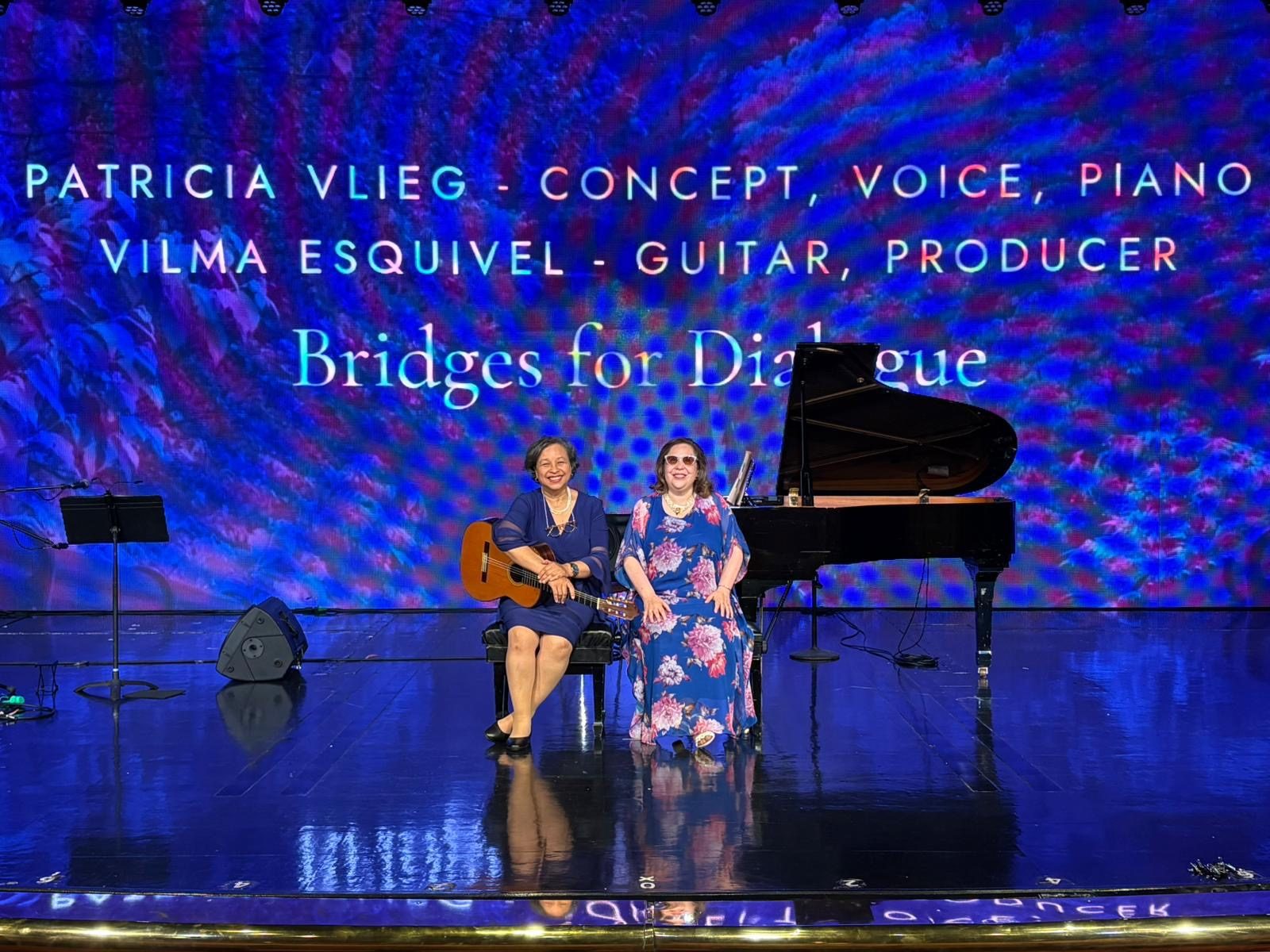
Live Sessions
Dialogue in real time
Conversations and musical encounters with artists, researchers and cultural bridge builders. The next session continues the dialogue that began aboard Peace Boat.
Explore Live SessionsBridges are built for encounter. That's where our work begins.
We design the conditions where strangers become collaborators, communities become partners, and cultural exchange becomes lived relationship.
Now
Live Sessions
Conversations and musical encounters with artists, researchers and cultural bridge builders. The next session continues the dialogue that began aboard Peace Boat.
Explore Live Sessions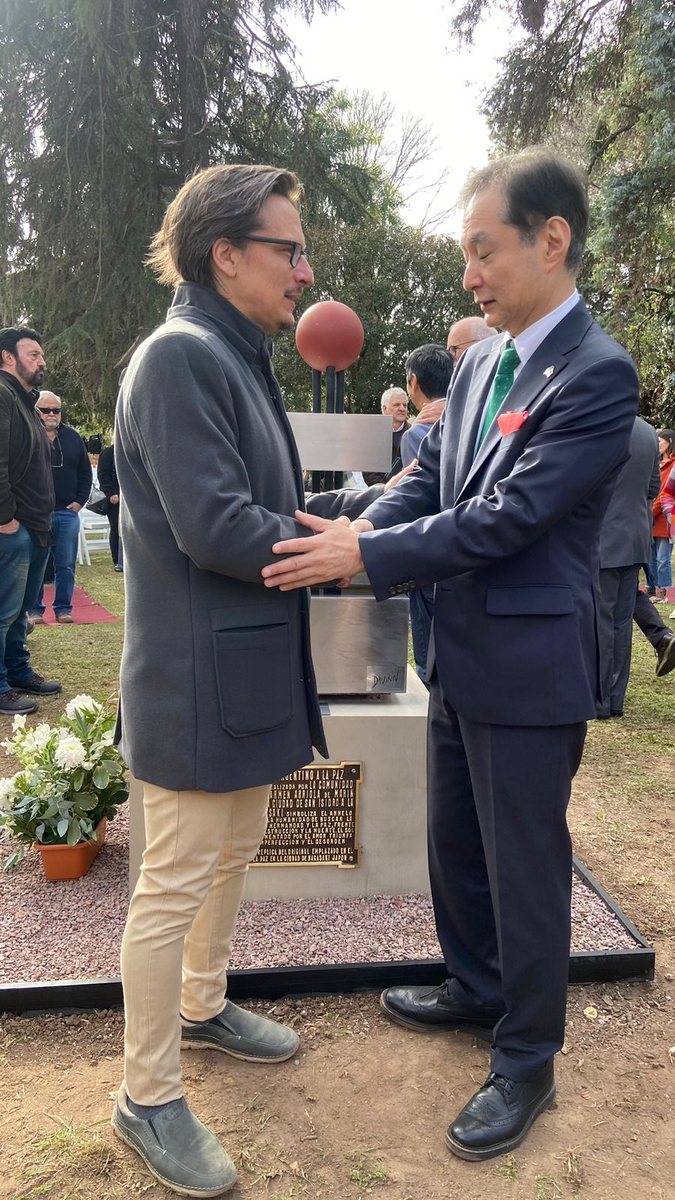
Insights
Essays on relationship, trust, music and encounters that endure. The current insight follows how one artistic seed can travel across time, place and memory.
Read Insights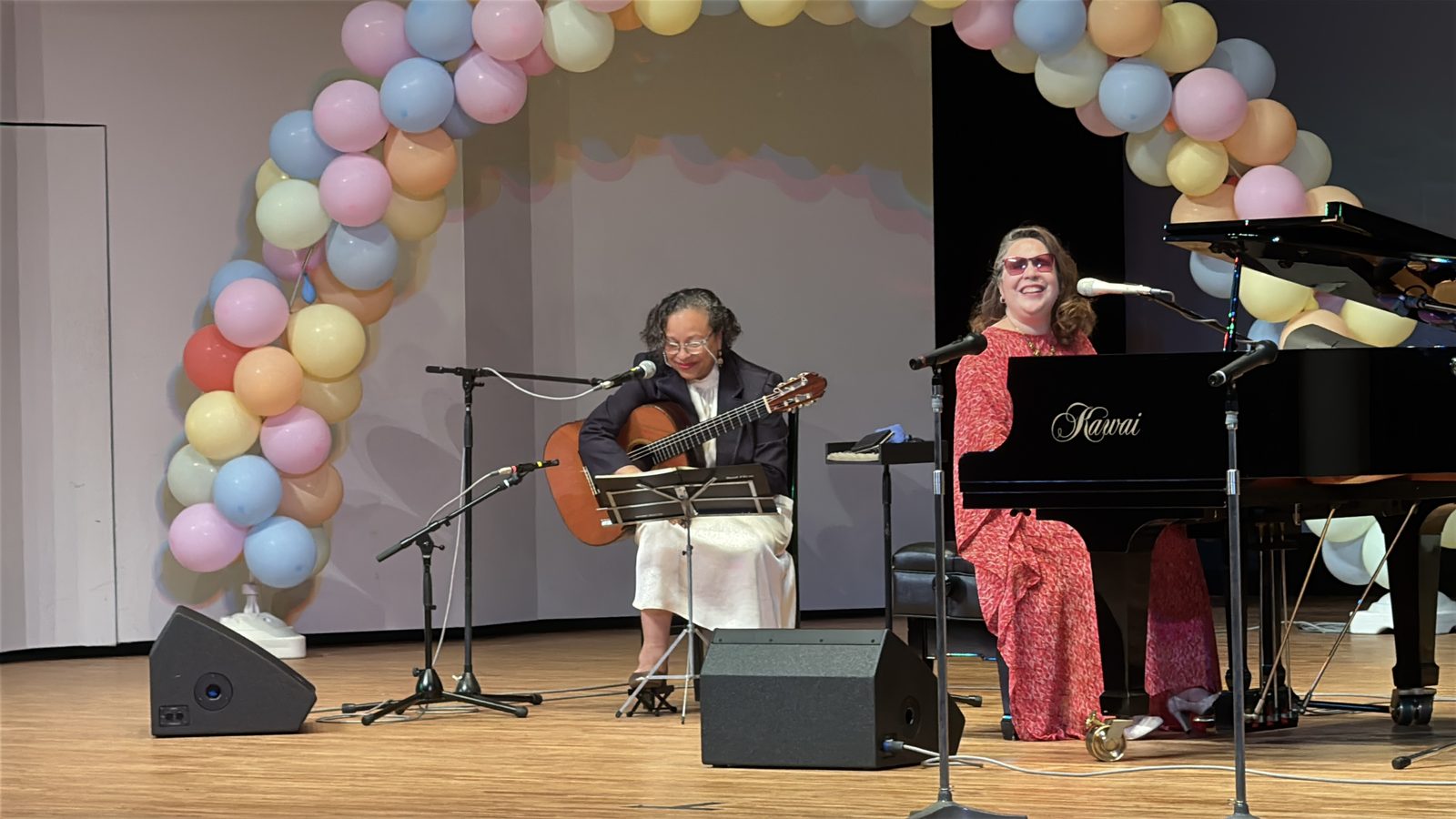
Case Study
Patricia and Vilma joined the Himawari Children's and Youth Choir in Matsuyama on August 9, weaving Panamanian, Latin American and Japanese songs into one story for families.
Read the case study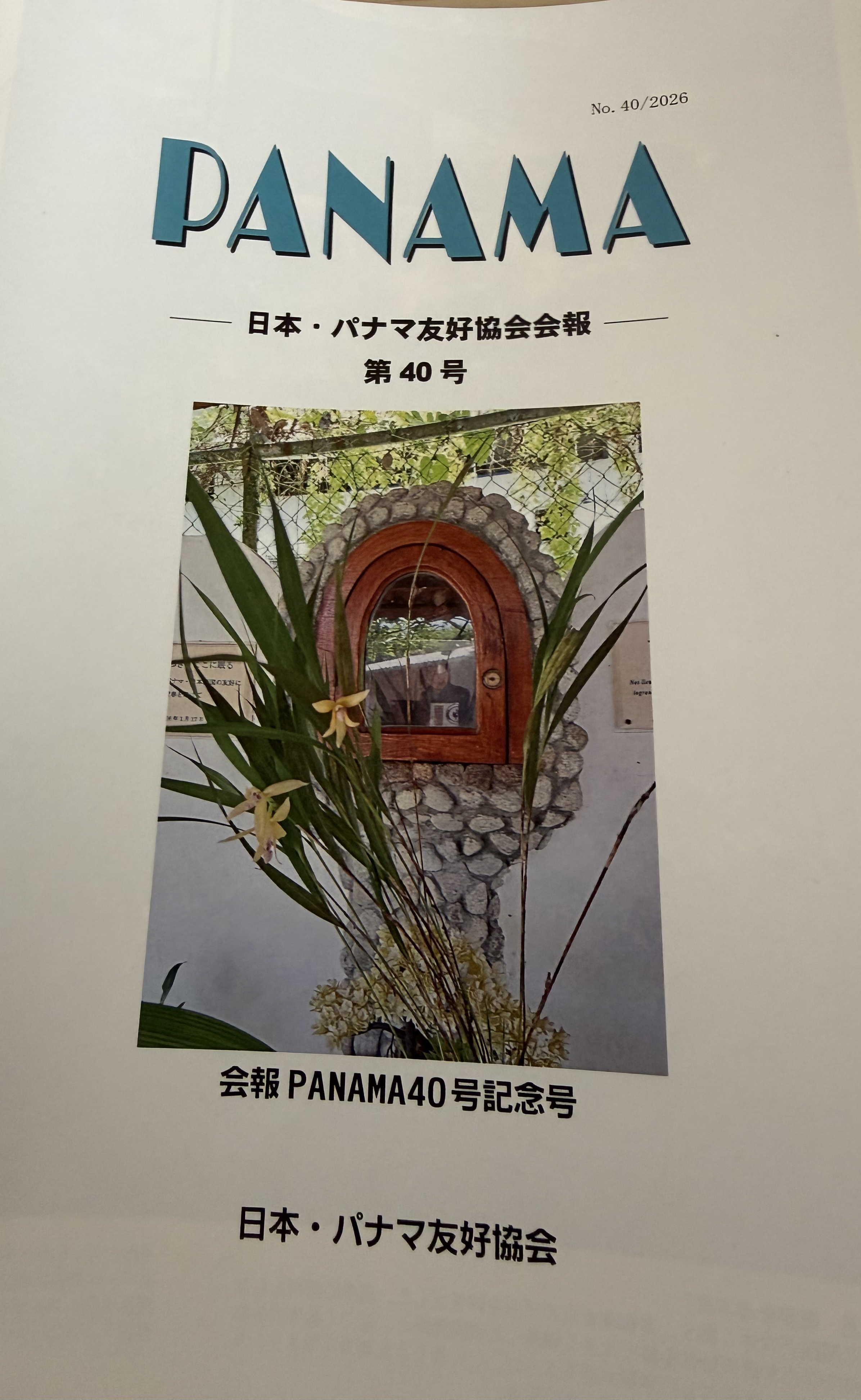
Press
Coverage, interviews and institutional recognition documenting the work across contexts, including a recent feature from the Japan–Panama Friendship Association.
Read pressFrom Contact to Encounter
Governments and institutions invest millions in cultural exchange, education and diplomacy. Many of those relationships remain symbolic, waiting to become lived.
Ceremonies, conferences and agreements are often designed for contact. Bridges designs for encounter. There is a difference.
Cultural exchange produces ceremonies. Peace processes produce agreements. Institutional partnerships produce documents. And the human relationships that would allow all of those things to actually carry weight — to survive difficulty, to renew themselves over time, to mean something to the next generation — are rarely designed for.
Music reaches beyond words. A song shared across cultures creates something different from a speech, a document or a meeting: a common memory. A felt sense of having been somewhere together. A recognition of the other that stays.
That is what Bridges for Dialogue is built to make possible.
What We Do
01
We design residencies, concerts and exchanges that help two countries or institutions share an experience people can remember and build from.
Sea Bridges · Double Celebration · Panama–Japan
02
We create encounters at the diplomatic, artistic and community levels, so the occasion becomes something participants experience and carry forward.
Peace Boat · Vaishnav Jan To · Cabanga Embassy
03
We design programs where communities, especially young people, become active participants in carrying their own cultural memory forward.
Panamá Unidos en Canción · Huellas y Cantos
What Makes This Different
Bridges combines two decades of documented artistic practice with original academic research and a structured methodology for designing encounters that strengthen relational infrastructure.
We work through music because it reaches the body before the mind, creates shared memory before shared language and opens possibilities beyond conventional formats.
Both founders hold MA degrees in International Relations and Peace Studies from Soka University, Tokyo. Vilma Esquivel's ARTI framework and Patricia Vlieg's research on folk songs as instruments of decolonial peacebuilding give academic form to what twenty years of practice had already demonstrated.
“Songs are maps that navigate us through the complex territory of human relationships, of love, of joy, and of sorrow.”
The Evidence
Who We Are
Twenty years designing encounters across Panama, Japan and beyond.
Patricia Vlieg and Vilma Esquivel founded Bridges for Dialogue to ensure that this work could outlast any single project, partnership or individual. Their practice is the foundation. The cases are the evidence.
The question that organizes everything:
How can music create the conditions for genuine encounter, and what does that encounter make possible that no other form of diplomacy, education or community practice can produce?