Case Study
Embassy of Panama, Washington
How a cinematic recital carried Panama's cultural memory into a diplomatic evening.
The Relationship
Making Panama genuinely present
The Embassy needed an experience precise enough for diplomats and guests, personal enough to make Panama feel present through culture, and durable enough to outlast the evening.
The event combined the history of the pollera, a fashion presentation, local musicians and a cinematic recital as its centerpiece. The pollera became the thread: a living symbol of identity, resilience and collective memory.
Bridges' Contribution
La Pollera como Memoria e Identidad
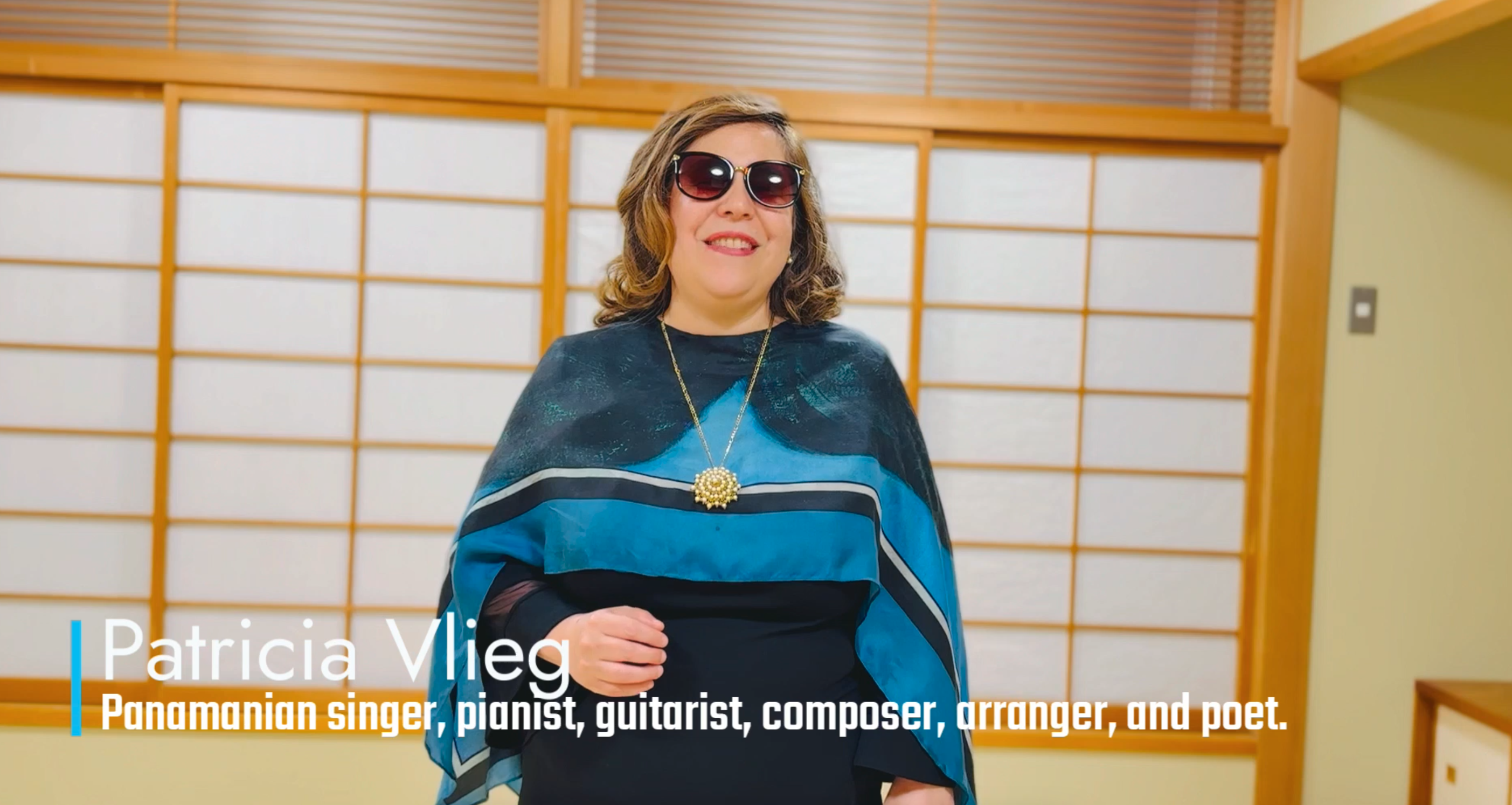
Patricia Vlieg and Vilma Esquivel designed and produced an 18-to-20-minute cinematic recital: a continuous short film where music, landscape, spoken word and images of the pollera formed one sensory journey.
Patricia filmed the opening words in Japan, contextualizing the relationship between music, identity and the pollera. Three songs from Cabanga formed the musical core: Para Comprenderlo, Cabanga and Retratos de Su Alegría.
Vilma curated material from the album's visual archive, live concert recordings and new imagery of Panama and Japan. Every image, note and silence served the same cultural intention.
Why This Matters
A cultural artifact beyond the evening
A cinematic program gives diplomatic and cultural institutions full artistic control while preserving the intimacy of a work created for a particular room, occasion and relationship.
The audience received a complete work, and the piece remained available to be screened and shared again.
Relational Insight. A culture arrives most fully in a diplomatic room when it is carried by something shaped from the inside and made with love.