Trust between counterparts
Outcome
Aligned expectations, anticipated misunderstandings, and the operating trust that lets a deal move forward with less friction.
Cultural Diplomacy · Japan–LAC
Facilitated experiences that build trust between counterparts
Intercultural relationship facilitation for Japan–Latin America business and diplomacy.
Every cross-border deal depends on a variable the financial model never captures: the capacity of counterparts to understand and trust one another. Japan and Latin America build trust in different ways, and that difference determines whether a partnership moves forward or stalls. Bridges for Dialogue designs and delivers facilitated experiences that let both sides align expectations, read each other correctly, and establish the relational foundation long-term partnerships run on.
What You Get
Outcome
Aligned expectations, anticipated misunderstandings, and the operating trust that lets a deal move forward with less friction.
Not a generic workshop
A designed, repeatable methodology, with an upfront scoping meeting and a handoff of findings to the team. Not improvisation: process.
Differentiator
Founded by two Panamanian professionals trained in Tokyo. Singular specialization in the cultural axis between Japan and Latin America.
Why It Matters
The Gap
Japan and Latin America read trust, silence, hierarchy and decision timing differently. No contract or translation closes that gap.
The Cost
Misread signals slow negotiations and weaken partnerships, even when the economic terms are sound.
The Solution
A structured process that aligns both sides before cultural difference affects the outcome.
In Short
Trust is what sustains the deal over time.
Methodology
Every program is designed around the client and their objective. The process has three stages and produces observable outcomes: counterparts moving from initial distrust to effective coordination.
Before the session
A meeting with the client's leadership to understand the parties, the objectives and the context. The program is adapted to that specific reality.
The facilitated experience
A structured, participatory experience, guided by the Bridges team, in which counterparts build in practice the capacity to read each other, coordinate and trust.
Into the business
The learning is translated into concrete guidelines applicable to the real working relationship, so the trust that was built holds where it matters.
The ARTI Framework
Perceiving the counterpart's real position. The foundation of every negotiation.
Holding one's position with composure, even under pressure.
Recognizing when to move forward and when to wait.
Responding effectively to the unexpected.
The methodology is grounded in graduate research in peace and mediation studies at Soka University (Tokyo). It is structured, repeatable and documentable — reportable to a board, not only experienced in the room.
Audiovisual Communication
Beyond the facilitated program, we produce and adapt video content so a message lands with the right tone, formality and protocol in each culture. We act as the intercultural communications studio behind the message — script, direction and cultural calibration, end to end.
Culturally calibrated video
Announcements, updates or institutional greetings adapted in tone and formality so the message lands as well in Tokyo as in Latin America.
Before the encounter
Short capsules that prepare each team to read the other side's communication style before the first meeting.
Ceremonies & bilateral content
Audiovisual content for ceremonies, anniversaries and bilateral moments, with the same cultural sensitivity we bring to our live programs.
A light, scalable format — the same cultural calibration, in a medium that can be watched before, during or after the encounter.
Services By Segment
The methodology is singular; its application adapts to the client. Each segment of this Forum faces a different trust challenge, and the program is designed to resolve it. Core application: a facilitated experience that turns a group of counterparts into a team capable of coordinating and trusting one another. Tailored upfront design, a guided program, and handoff into the real work.
Cultural diplomacy
Need: Bilateral encounters and commemorative events risk remaining protocol, without a genuine connection between delegations.
Service
A cultural diplomacy program that turns a formal event into a meaningful encounter between both sides.
Partnership readiness
Need: Long-term capital commitments with counterparts that are not yet well known. The numbers are mastered; the relationship is not.
Service
A partnership readiness session in which both teams build the trust and mutual understanding that no formal meeting produces.
Intercultural alignment
Need: Collaboration stalls on cultural differences — pace, hierarchy, formality — between LAC founders and Japanese counterparts.
Service
An intercultural alignment session that adjusts styles and expectations before the difference affects the deal.
Team cohesion
Need: Multicultural funds and committees that fail to integrate: silos, misunderstandings, and trust that never consolidates.
Service
A cohesion program that builds listening and coordination, with the Japan–LAC methodological and cultural edge.
Why Bridges
Many offer team-building activities. Few combine specialization in the Japan–Latin America relationship, an academic foundation in peace studies, and a methodology able to turn a single engagement into sustainable trust.
Founded by two Panamanian professionals trained in Tokyo. Direct knowledge of both cultures — exactly the relationship our clients need to build.
Two MA degrees in International Relations and Peace Studies from Soka University (Tokyo). A structured, repeatable methodology: credible to institutions, practical for teams.
Ties to Peace Boat and the Min-On Music Research Institute (Tokyo). Presence at the Japan–LAC Business Forum 2026.
A Living Japan–LAC Bridge
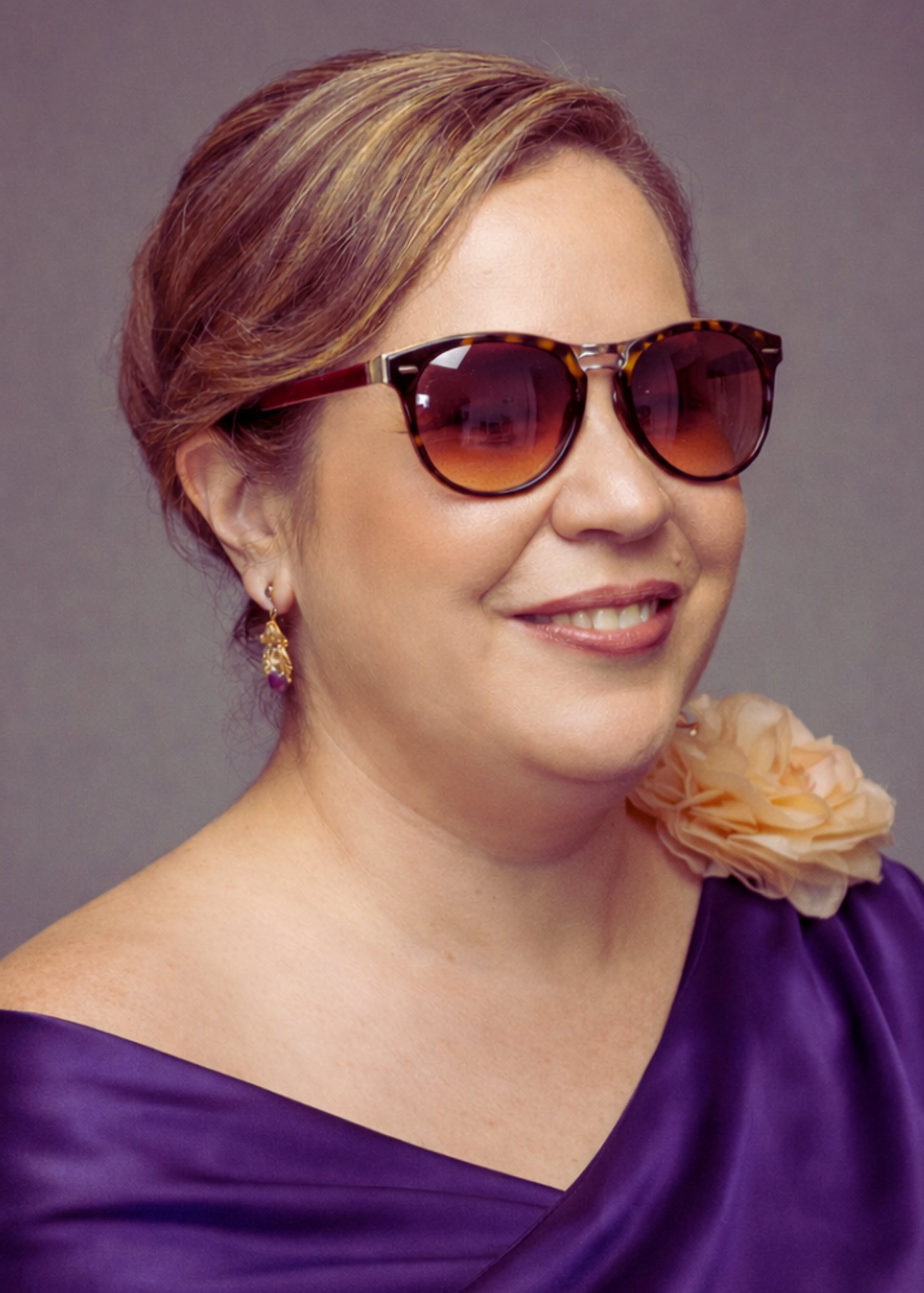
Co-Founder · Panama & Tokyo
MA, International Relations & Peace Studies, Soka University (Tokyo). Specialist in how cultural identity and relationships determine trust, and in how to build it between counterparts from different backgrounds.
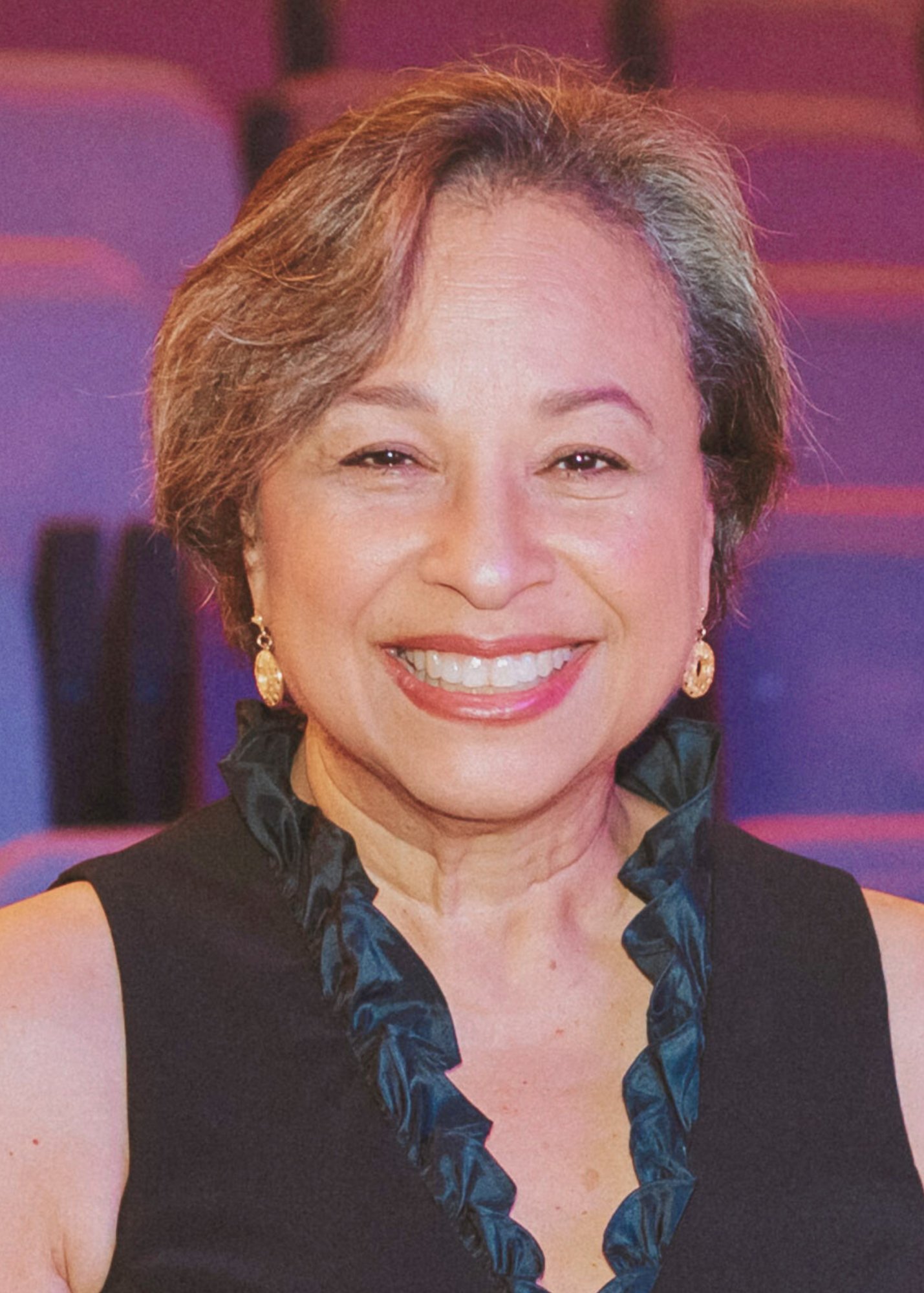
Co-Founder · Panama & Tokyo
MA, International Relations & Peace Studies, Soka University (Tokyo). Developed Bridges' structured methodology, turning a program into a replicable outcome.
Let's Talk
We are an Exhibiting Partner at the Japan–LAC Business Forum 2026, marking 50 years of the Japan–IDB Group partnership. Tell us about the counterparts involved and which segment best describes your case — we'll follow up to schedule a conversation, in Tokyo or after the Forum.
Bridges for Dialogue